
bigger faster stronger workout plan pdf
Overview of the Bigger Faster Stronger Program
The BFS Set‑Rep System delivers frequent personal‑record breakthroughs through a structured yet varied routine. It blends progressive overload, compound lifts, and targeted accessory work, ensuring athletes see measurable gains with each session. The program uses rest‑interval tweaks for gains.
Designed to deliver frequent personal record breakthroughs with a structured yet varied approach
The Bigger Faster Stronger (BFS) workout plan PDF outlines a system that prioritizes frequent personal record (PR) breakthroughs while maintaining a balanced structure. The program is built around a set‑rep framework that alternates between high‑volume, low‑intensity days and low‑volume, high‑intensity days, allowing athletes to recover while still pushing the limits of strength and hypertrophy. Each workout is carefully periodized, with progressive overload applied to compound lifts such as squats, deadlifts, and bench presses, and supplemented by accessory movements that target lagging muscle groups. The PDF includes detailed instructions on load selection, tempo, and rest intervals, ensuring that every rep is performed with optimal form and intensity. By integrating periodized variations—such as tempo changes, pause reps, and supersets—the program keeps the nervous system engaged and prevents adaptation plateaus. The structured yet varied approach also incorporates mobility work and activation drills, which help athletes maintain joint health and improve lift mechanics. With clear weekly programming, the BFS plan allows users to track progress, adjust loads, and set realistic goals. The downloadable PDF format makes it easy to follow on the go, and the mobile‑friendly layout ensures that the program can be accessed from any device. Overall, the BFS workout plan PDF delivers a comprehensive, science‑backed strategy that drives consistent PR gains while keeping training fresh and engaging.
Now participants report increased confidence as they see measurable progress, and the program’s modular design allows for easy scaling—whether you’re a novice or a seasoned lifter, the BFS PDF adapts to your evolving goals!

Structure of the BFS Set-Rep System
The BFS Set‑Rep System blends structured phases with varied rep schemes, alternating heavy low‑rep days with lighter high‑rep sessions. This design maximizes strength gains, prevents plateau, and keeps training fresh, ensuring steady PR improvements.
Optimal balance of structure and variety for continuous progression and continual PRs
The BFS Set‑Rep System’s core lies in its alternating intensity blocks, pairing low‑rep heavy days with higher‑rep accessory work. This rhythm forces the nervous system to adapt, while the varied stimulus prevents muscular and neural plateaus. Each week, the program shifts load percentages, rep ranges, and tempo cues, ensuring that strength, hypertrophy, and endurance all progress simultaneously. The structured progression—starting with a foundational phase, moving to a volume spike, and concluding with a deload—creates predictable stimulus while the variety keeps the athlete mentally engaged. By integrating compound lifts, unilateral work, and band‑based activation drills, the system targets both the primary movers and stabilizing muscles, promoting balanced development. The result is a training environment where athletes consistently hit new personal records, not just sporadically but after every session, because the program’s design keeps adaptation cycles short and the load distribution optimal for maximal gains. Additionally, the program incorporates periodized rest intervals, allowing for rapid recovery and sustained power output. The use of progressive overload is built into every set, with micro‑adjustments of weight or tempo that keep the stimulus fresh. Coaches can also tailor the program to individual goals by adjusting the ratio of compound to isolation work, ensuring that each athlete’s unique strengths are amplified while weaknesses are systematically addressed. This blend of rigor and flexibility makes the BFS Set‑Rep System a reliable framework for athletes seeking continuous improvement and frequent record‑breaking performances. Moreover, the system’s emphasis on proper form and controlled movement patterns reduces injury risk, allowing athletes to train more consistently. The program’s modular nature means that each week can be swapped or repeated based on individual recovery status, making it adaptable for both novice lifters and seasoned powerlifters. By embedding these principles into a downloadable PDF, users can easily track progress, adjust loads, and maintain accountability, turning the theoretical framework into tangible results on the floor. Finally, the BFS Set‑Rep System’s community support and regular updates keep users motivated, ensuring that the journey toward stronger, faster, and bigger remains both structured and exciting. Consistency is the key. Stay committed.
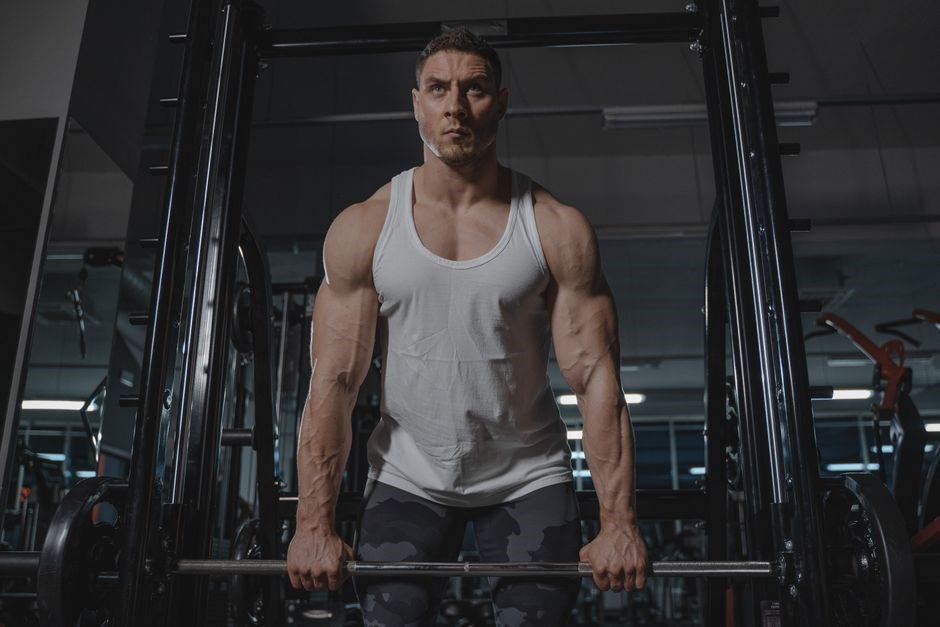
Weekly Workout Layout (Week 1 & Week 2)
Week 1 builds core strength with low‑rep compound lifts and controlled tempo. Week 2 ramps up intensity and volume, adding accessory work and higher‑rep sets for faster gains. The downloadable PDF provides a mobile‑friendly layout for both weeks.
Week 1 focuses on foundational strength, Week 2 escalates intensity and volume for faster gains
Week 1 of the Bigger Faster Stronger PDF focuses on establishing a solid strength base. The program emphasizes heavy compound lifts—squats, deadlifts, bench press, and overhead press—performed in low‑rep ranges (3–5 reps) with long rest intervals (3–4 minutes). This approach maximizes neural drive and muscular recruitment, ensuring that each lift is executed with perfect form before adding load. Complementary accessory work targets the posterior chain, core stability, and upper‑body strength, using movements such as barbell rows, pull‑ups, weighted dips, and Bulgarian split squats. The tempo is controlled (3‑2‑1‑0) to enhance time under tension and build muscular endurance. Volume is moderate (4–5 sets per exercise) to allow full recovery while still stimulating hypertrophy. The weekly split is structured as a 3‑day strength cycle, with a rest day between sessions to promote optimal recovery. Progression is tracked by adding 5–10 lb increments on the barbell each week, ensuring a linear progression that aligns with the program’s goal of frequent personal record (PR) breakthroughs. The downloadable PDF includes detailed instructions, cue sheets, and a log sheet for tracking sets, reps, and weights. Nutrition guidance recommends a protein intake of 1.2–1.5 g per pound of body weight and a caloric surplus of 250–300 kcal to support muscle growth. Mobility drills such as hip flexor stretches, thoracic rotations, and ankle dorsiflexion work are incorporated before each session to reduce injury risk. By the end of Week 1, athletes should feel a noticeable increase in strength and confidence in their foundational lifts, setting the stage for the intense volume work in Week 2.

Home Workout PDF Availability
Download the Week 1 and Week 2 mobile‑friendly PDFs from the official BFS site. They include full workout plans, cue sheets, and progress logs. Use the PDFs on any device to train at home or on the go, ensuring consistent progression. Download now for free!

Downloadable mobile‑friendly versions for Week 1 and Week 2 to train anywhere
Access the official Bigger Faster Stronger PDF library and download the Week 1 and Week 2 home‑workout files. Each PDF is optimized for smartphones, tablets, and laptops, featuring clear exercise diagrams, concise cue sheets, and a progress tracker. The layout is designed to fit a single page per workout, so you can print or view on the go without scrolling through a wall of text. The files include:
- Full workout schedule with set‑rep schemes for each day.
- Illustrated instructions on proper form for squats, lunges, and band work.
- Tips for adapting the routine to limited space or equipment.
- Progress log template to record weights, reps, and perceived effort.
- Motivational reminders and recovery guidelines.
These PDFs are crafted by certified strength coaches and include weekly progression charts, rest‑interval guidelines, and nutrition pointers to complement your training. They are updated quarterly to reflect the latest research, ensuring that every workout remains fresh and effective. Whether you’re a novice or a seasoned athlete, the PDFs provide a clear roadmap to reach your personal goals. daily updates. now!
To download, visit the BFS website, click the “Home Workout PDFs” link, and select the desired week. The PDFs are free and can be saved to your device or cloud storage for instant access whenever you need to hit the gym or set up a makeshift home studio.
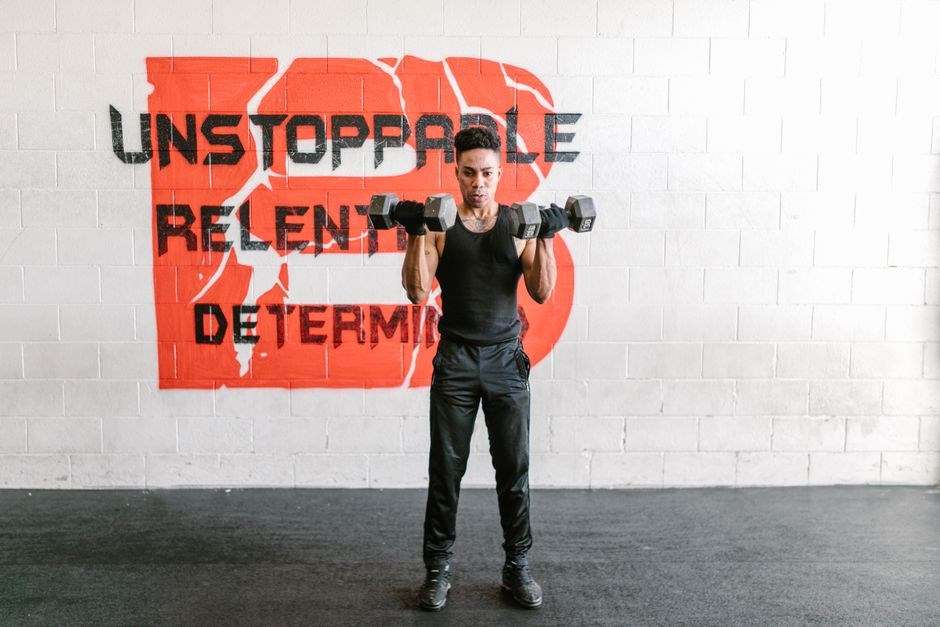
Weight Room Equipment Guide
Machines: squat rack, bench press, cable crossover, leg press, lat pulldown. Free‑weights: barbell, dumbbells, kettlebells, resistance bands. Prioritize load distribution by alternating heavy compound lifts with lighter accessory work for strength gains daily!.
Essential machines and free‑weight selections for BFS routines and optimal load distribution
The Bigger Faster Stronger (BFS) weight‑room arsenal centers on a few key machines and free‑weight pieces that collectively deliver the structure and variety the program demands. First, the squat rack and power‑clean station form the backbone of the heavy‑lift phase; they allow for safe, high‑load squats, front squats, and cleans that drive overall strength. Second, the bench‑press station—whether flat, incline, or decline—provides the upper‑body compound movement essential for balanced development. Third, the cable crossover or lat pulldown machine offers controlled, high‑volume accessory work that can be dialed up or down to match the set‑rep scheme. Fourth, the leg‑press and hack‑squat machines give a low‑risk, high‑volume option for leg overload when fatigue limits free‑weight performance. In free‑weight terms, a standard Olympic barbell (45 lb) with adjustable plates, a range of dumbbells (5–50 lb) enable unilateral work and accessory lifts. Kettlebells (20–50 lb) are ideal for dynamic hip‑hinge drills that activate the glutes and hamstrings. Resistance bands, both loop and short‑band, add variable resistance to squats, lunges, and banded glute bridges, ensuring the posterior chain is engaged throughout the range. For optimal load distribution, the BFS protocol alternates heavy, low‑rep sets on the rack with lighter, higher‑rep accessory work on the machines and free‑weights. This sequencing prevents over‑loading a single muscle group while still promoting progressive overload. By rotating between these tools, lifters maintain a constant stimulus across all major muscle groups, ensuring that each workout pushes the body toward new personal records. The PDF version provides load charts and progression tables for each exercise.!!
Glute Activation Challenges
Glutes may stay dormant during squats, lunges, or band work due to poor form, weak abductors, or over‑used quads. Common issues: shallow knee travel, insufficient hip extension, muscle fatigue. Solutions involve targeted drills, proper cueing, and progressive overload. Progressive fast drives gains
Common reasons glutes may not respond to squats, lunges, or resistance bands and how to address them
Glute under‑activation during squats, lunges, or band work often stems from three core issues: faulty movement patterns, muscle imbalance, and inadequate stimulus. First, many lifters keep the knees too far forward, allowing the quadriceps to take over the load while the glutes remain slack. Second, chronic tightness in the hip flexors or adductors can pull the pelvis into an anterior tilt, reducing hip extension and forcing the glutes into a “dead‑weight” role. Third, if the training stimulus is too light or too frequent, the glutes never reach the neural threshold needed for hypertrophy, leading to a plateau. Addressing these problems requires a multi‑step approach. Start by correcting form: use a mirror or video feedback to ensure the knee tracks over the midfoot, the hips drop below the knees, and the pelvis stays neutral. Incorporate activation drills such as glute bridges, clamshells, and banded lateral walks before the main lifts to prime the muscle. Gradually increase load on the primary exercises, adding a 2‑3% progressive overload each week, and incorporate tempo variations (e.g., 3‑second eccentric) to enhance muscle tension. Finally, include a dedicated “glute‑only” day with high‑load squats, weighted lunges, and resistance‑band drills that focus on maximal contraction. Consistency, proper cueing, and progressive overload will unlock the glutes’ full potential, turning every squat or lunge into a powerful, record‑breaking movement. Track progress with a logbook; noting reps, load, and effort keeps adjustments science‑based!

Targeted Glute Exercises in BFS
High‑load squats, weighted lunges, and band drills activate glutes. BFS uses progressive overload, tempo changes, and accessory work like hip thrusts to maximize growth. Each session targets peak contraction, ensuring consistent PRs and muscle balance. Progressive overload boosts glutes now.!!!!!!
High‑load squats, weighted lunges, and resistance‑band drills designed to activate glutes effectively

In the Bigger Faster Stronger PDF, the glute section focuses on three core movements: high‑load squats, weighted lunges, and resistance‑band drills. Each exercise is prescribed with specific sets, reps, tempo, and rest intervals to maximize glute recruitment and hypertrophy. The high‑load squat protocol starts at 70–80 % of 1RM for 3–4 sets of 6–8 reps, incorporating a 3‑second eccentric phase and a 1‑second pause at the bottom to increase time‑under‑tension. Weighted lunges are performed with a 10–15 lb dumbbell in each hand, 3 sets of 12–15 reps per leg, using a 2‑second descent and a 2‑second ascent to keep the glutes engaged throughout the movement. Resistance‑band drills include glute bridges with a loop band around the knees, 4 sets of 15–20 reps, and banded lateral walks, 3 sets of 20 steps each direction, both targeting hip abduction and external rotation. The program emphasizes progressive overload by adding 5 lb increments or tightening the band resistance every two weeks. Rest periods are set at 60–90 seconds for squats and lunges, and 30–45 seconds for band work to maintain metabolic stress. By integrating these exercises, the PDF ensures that glute activation is consistent, leading to stronger, more defined glutes and improved performance in compound lifts. This PDF also includes period‑specific cues, video links, and a tracking sheet to monitor load progression, ensuring each workout pushes glute strength forward while preventing plateau or injury for consistent gains. each set.

Program Access and Distribution
Download the Bigger Faster Stronger PDF from the official site. Save it, import into your training calendar, set weekly reminders, and log each session. The PDF offers printable sheets, mobile‑friendly layouts, and QR links for video demos, ensuring seamless integration into any routine for all x
How to obtain the PDF and integrate it into training schedules for consistent progression
To access the Bigger Faster Stronger PDF, visit the official BFS website and locate the “Download” section. A free registration form requires your name, email, and a brief fitness background. Once submitted, you’ll receive a confirmation email with a secure link. Click the link, authenticate, and the PDF will download to your device. For mobile users, the site offers a responsive layout; simply tap “Save PDF” and it will appear in your phone’s file manager.
After downloading, import the document into your preferred training calendar. Many athletes use Google Calendar or a dedicated fitness app. Create a new event for each workout day, attach the PDF, and set a reminder 30 minutes before. This ensures you open the sheet, review the set‑rep scheme, and mentally prepare for the session. If you prefer a printed version, print the PDF and keep it on a clipboard or a wall board in your gym.
Consistency is key. Schedule workouts three to five times per week, depending on your level. Use the PDF’s weekly layout: Week 1 focuses on foundational strength, while Week 2 ramps up volume. After each session, log the weight, reps, and perceived exertion directly into the PDF’s margin notes or a separate log sheet. This feedback loop helps you track progression, adjust loads, and stay on course for continuous PRs.
For advanced users, the PDF includes QR codes linking to instructional videos. Scan these codes with your phone to verify form before attempting heavier lifts. If you’re training at home, use the “Home Workout” version, which lists alternative exercises that require minimal equipment. This flexibility allows you to maintain the BFS structure even when away from the gym.
Finally, share your progress on social media or with a training partner. The BFS community often posts weekly updates, providing motivation and accountability. By integrating the PDF into your routine, you create a structured, data‑driven plan that adapts to your growth and keeps you moving toward bigger, faster, stronger results.