
charger manual transmission
Manual transmissions offer drivers direct control, enhancing the driving experience and often improving fuel efficiency; understanding their function is key to vehicle longevity.
What is a Manual Transmission?
A manual transmission, also known as a standard transmission, is a type of gearbox used in vehicles that requires the driver to manually select gears using a gear stick and clutch pedal. Unlike automatic transmissions, which shift gears automatically, a manual transmission puts the driver in complete control of the engine’s power delivery.
In a Charger with a manual transmission, the driver engages and disengages the clutch to smoothly transition between gears, optimizing engine speed and torque for various driving conditions. This system directly connects the engine to the wheels through a series of gears, allowing for precise control and a more engaging driving experience. It’s a system favored by enthusiasts for its responsiveness and efficiency.
How Does a Manual Transmission Work?
A manual transmission in a Charger operates through a carefully coordinated system. Pressing the clutch pedal disengages the engine from the gearbox, allowing the driver to select a different gear using the shift lever. This lever moves forks inside the transmission, engaging different gear sets.
These gear sets provide varying ratios, altering the relationship between engine speed and wheel speed. Releasing the clutch pedal re-engages the engine, transferring power through the selected gears to the driveshaft and ultimately, the wheels. Proper synchronization is crucial for smooth shifts, preventing grinding noises and ensuring efficient power transfer. Mastering this process delivers a connected driving feel.

Key Components of a Manual Transmission System
Essential components include the clutch, gearbox, shift linkage, and differential, working in harmony to efficiently transfer engine power to the Charger’s wheels.
The Clutch: Function and Operation
The clutch is a critical component in a manual transmission system, specifically within a Charger, acting as the bridge between the engine and the gearbox. Its primary function is to smoothly engage and disengage power transmission, allowing for gear changes without damaging the drivetrain.
Hydraulic systems commonly utilize fluid to amplify pedal force, pressing against the pressure plate and disengaging the clutch. Low fluid levels hinder this process. The clutch disc, sandwiched between the flywheel and pressure plate, transmits engine power when engaged. Wear and tear on the clutch disc, or issues with the pressure plate springs, lead to slippage, impacting performance. Regular inspection and maintenance are vital for optimal clutch operation and preventing costly repairs in your Charger.
Gearbox: Gears and Their Ratios
The gearbox, central to a Charger’s manual transmission, houses a series of gears designed to alter the engine’s output speed and torque. Different gear ratios provide varying levels of power and efficiency, optimized for different driving conditions. Lower gears (like first and second) offer increased torque for acceleration and climbing hills, while higher gears (fifth and sixth) prioritize fuel economy at cruising speeds.
Understanding these ratios is crucial for smooth operation. Synchronizers facilitate seamless gear changes by matching the speeds of the gears before engagement. Issues with synchronizers often manifest as grinding noises. Proper gear selection maximizes performance and minimizes stress on the transmission components, ensuring longevity and a responsive driving experience in your Charger.
Shift Linkage: Connecting Pedal to Transmission
The shift linkage in a Charger’s manual transmission is the crucial mechanical connection between the driver’s shift lever and the internal gear selection mechanism. This system translates the driver’s movements into precise gear changes within the gearbox. It typically consists of rods, cables, or a combination of both, carefully engineered for accurate and reliable operation.
Wear and tear on the linkage components can lead to imprecise shifting, looseness, or difficulty selecting gears. Regular inspection for worn bushings, bent rods, or stretched cables is vital. Maintaining proper adjustment ensures smooth, confident gear changes, contributing to a more enjoyable and responsive driving experience in your Charger. A properly functioning linkage is essential for optimal control.
Differential: Transferring Power to Wheels
The differential, a vital component in a Charger’s manual transmission system, receives power from the transmission and distributes it to the wheels, allowing them to rotate at different speeds during turns. This is crucial for maintaining traction and preventing wheel slippage. It utilizes a set of gears to split the torque and manage the rotational differences between the left and right wheels.
A healthy differential ensures smooth cornering and optimal power delivery. Signs of differential issues include whining noises, especially during turns, or vibrations. Regular inspection of the differential fluid level and condition is essential for preventing damage. Proper lubrication minimizes wear and tear, extending the lifespan of this critical component and maintaining the Charger’s performance.

Common Manual Transmission Problems
Charger manual transmissions can experience issues like difficulty shifting, grinding noises, clutch slippage, spongy pedal feel, and burning smells, impacting driveability.
Difficulty Shifting Gears
Difficulty shifting gears in a Charger’s manual transmission is a common complaint, often stemming from several potential causes. Low or contaminated transmission fluid is a frequent culprit, hindering smooth gear engagement. A worn clutch, failing to fully disengage, can also make shifting problematic, especially into first or reverse.
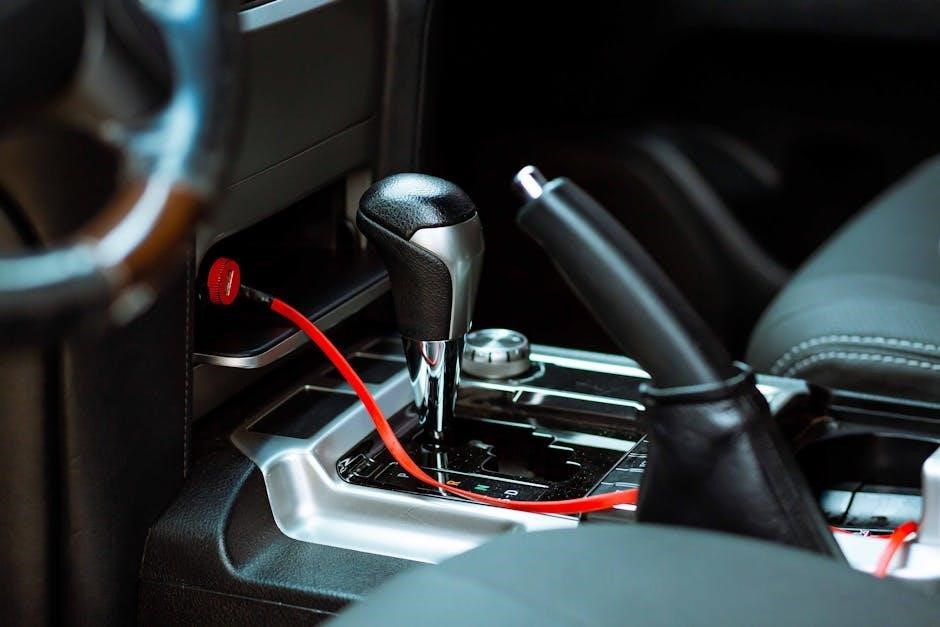
Issues with the shift linkage – worn bushings or a bent linkage – can prevent the transmission from fully selecting the desired gear. Internal transmission problems, such as worn synchronizers, can also contribute to this issue, causing gears to grind or refuse to engage. Regularly checking fluid levels and inspecting the linkage are crucial preventative measures. Ignoring this symptom can lead to more extensive and costly repairs down the line.
Grinding Noises During Shifting
Grinding noises when shifting a Charger’s manual transmission typically indicate a synchronization issue. Synchronizers are responsible for matching the speeds of the gears before engagement; when worn, they fail to do so, resulting in a grinding sound. This is often most noticeable when shifting into second or third gear.
Low transmission fluid can exacerbate this problem, as it reduces lubrication and increases wear on the synchronizers. A worn clutch, not fully disengaging, can also contribute; In severe cases, damaged gear teeth can cause grinding, signaling a more significant internal transmission problem. Addressing this promptly is vital to prevent further damage and potential transmission failure. Ignoring the noise will likely lead to more extensive repairs.
Clutch Slippage
Clutch slippage in a Charger’s manual transmission manifests as the engine revving higher than expected without a corresponding increase in vehicle speed. This occurs when the clutch disc isn’t fully engaging with the flywheel, unable to transfer engine power efficiently. Common causes include a worn clutch disc, contaminated clutch disc (from oil or grease leaks), or a failing pressure plate.
Hydraulic clutch systems, prevalent in many Chargers, can experience slippage due to low fluid levels or air in the lines. A stretched or damaged clutch cable (in cable-operated systems) can also contribute. Prolonged slippage generates excessive heat, accelerating wear and potentially leading to complete clutch failure. Addressing slippage quickly prevents further damage.

Clutch Pedal Feels Spongy
A spongy clutch pedal in a Charger manual transmission indicates a problem within the hydraulic clutch system, if equipped. This sensation, lacking a firm feel, often stems from air trapped within the hydraulic lines. Air compresses, reducing the effectiveness of force transfer from the pedal to the clutch fork. Low clutch fluid levels can also cause this, potentially signaling a leak in the system.
Less commonly, a failing master cylinder or slave cylinder can contribute to a spongy pedal. Inspecting the fluid reservoir and lines for leaks is crucial. Bleeding the clutch hydraulic system removes trapped air, restoring a firm pedal feel. Ignoring this issue can lead to difficulty shifting and eventual clutch failure.
Burning Smell from the Transmission
A burning smell emanating from the transmission of a Charger with a manual gearbox is a serious warning sign. This odor typically indicates excessive friction, often caused by a slipping clutch. Prolonged slippage generates intense heat, burning the clutch disc material. It could also signal internal transmission issues, like worn synchronizers or failing bearings creating friction.
Continued driving with this smell can lead to complete clutch failure or significant transmission damage. Immediately investigate the source – check for fluid leaks around the transmission and clutch. Addressing the issue promptly prevents costly repairs and ensures safe operation. Ignoring it risks a breakdown and potentially a full transmission rebuild.

Diagnosing Manual Transmission Issues
Effective diagnosis requires careful inspection of fluid levels, clutch components, shift linkage, and listening for unusual noises within the Charger’s manual system.
Checking Transmission Fluid Level
Regularly inspecting the transmission fluid level in your Charger’s manual transmission is crucial for identifying potential problems early. Unlike automatic transmissions, many manual transmissions don’t have a traditional dipstick for easy checking; access often requires removing a fill plug located on the side of the transmission case.
Ensure the vehicle is on a level surface and the engine is warm, but not hot, before proceeding. Carefully remove the fill plug and insert a suitable tool, like a flexible hose or dipstick, to gauge the fluid level. The fluid should be level with the bottom of the fill hole. Low fluid levels can indicate leaks, while excessively high levels might suggest contamination. Always use the manufacturer-recommended fluid type when topping up, and address any leaks promptly to prevent further damage.
Inspecting the Clutch Disc and Pressure Plate
A thorough inspection of the clutch disc and pressure plate requires transmission removal, making it a more involved process. Examine the clutch disc for signs of wear, such as thinning friction material, cracks, or oil contamination. Uneven wear suggests potential issues with the flywheel or release bearing.
The pressure plate should be checked for heat cracks, warped surfaces, and proper spring tension. Look for any signs of slippage or damage to the release fingers. Replacing both the disc and pressure plate as a set is generally recommended to ensure optimal performance and prevent premature failure. Inspect the flywheel surface for scoring or heat damage; resurfacing or replacement may be necessary.
Examining Shift Linkage for Wear
Carefully inspect the shift linkage components – including the shifter, rods, bushings, and connecting points – for any signs of wear, looseness, or damage. Excessive play in the linkage can cause imprecise shifting and difficulty selecting gears. Check for worn or cracked bushings, which are common failure points.
Lubricate all pivot points and joints with a suitable grease to ensure smooth operation. Examine the shift rods for bending or corrosion. A visual inspection should reveal any obvious damage. If the shifter feels sloppy or vague, tightening connections or replacing worn components is crucial for restoring proper shifting feel and preventing further issues.
Listening for Unusual Noises
Pay close attention to any atypical sounds emanating from the transmission during operation; Grinding noises, particularly when shifting, often indicate synchronizer issues or worn gear teeth. Whining sounds could suggest bearing problems or low transmission fluid. Clunking or popping noises might point to worn U-joints or issues within the differential.
Listen carefully while shifting through all gears, both in neutral and under load. Note when the noises occur – during acceleration, deceleration, or while coasting. Identifying the specific conditions under which the sounds appear can help pinpoint the source of the problem and guide the diagnostic process, potentially saving time and expense.
Troubleshooting Specific Problems
Addressing issues like clutch slippage, difficulty shifting into gear, or unusual noises requires a systematic approach to diagnosis and targeted repair solutions.
Fixing Clutch Slippage
Clutch slippage in a Charger’s manual transmission often indicates wear or contamination. Begin by checking the clutch fluid level, ensuring proper hydraulic pressure. If the fluid is sufficient, the issue likely resides within the clutch assembly itself. Inspect the clutch disc for glazing, burning, or physical damage; replacement is often necessary.
Furthermore, examine the pressure plate for weakened springs or a warped surface. A failing pressure plate cannot adequately clamp the disc, causing slippage. Consider resurfacing the flywheel to ensure a smooth mating surface. Proper installation, including correct torque specifications, is crucial. Ignoring slippage can lead to further transmission damage, necessitating more extensive and costly repairs.
Addressing Difficulty Shifting into First Gear
Difficulty shifting into first gear on a Charger with a manual transmission frequently points to synchronization issues or worn components within the gearbox. Begin by verifying sufficient and clean transmission fluid; low or contaminated fluid hinders smooth operation. Inspect the shift linkage for binding or looseness, ensuring precise movement.
A common culprit is a worn synchronizer for first gear, preventing seamless engagement. Internal inspection may reveal damaged gear teeth or a malfunctioning shift fork. Thoroughly check the clutch for proper disengagement, as incomplete separation can exacerbate shifting problems. Addressing these issues promptly prevents further damage and restores effortless first-gear engagement.
Resolving Grinding Noises in Second Gear
Grinding noises during second-gear engagement in a Charger’s manual transmission typically indicate a failing synchronizer for that gear. This component’s role is to match the speeds of the gear and the transmission’s main shaft before engagement. Worn synchronizer rings or damaged blocking keys prevent smooth meshing, resulting in the grinding sound.
Inspect the gear teeth for pitting or damage, as this can also contribute to the noise. Ensure proper clutch adjustment; a partially engaged clutch exacerbates the issue. A transmission fluid change with the correct specification is crucial. If the grinding persists, a transmission rebuild or replacement may be necessary to address the internal damage and restore quiet operation.
Repairing a Leaking Transmission Seal
Transmission fluid leaks in a Charger’s manual system often stem from deteriorated seals – typically the input shaft seal, output shaft seal, or the rear main seal. Diagnosis involves identifying the leak’s source; a visual inspection with a UV dye can be helpful. Repair usually requires draining the transmission fluid, removing the affected component (driveshaft, etc.), and carefully replacing the seal.
Ensure the new seal is properly lubricated during installation. Thoroughly clean the sealing surfaces before installation. After reassembly, refill the transmission with the correct fluid type and level. A post-repair test drive is essential to confirm the leak is resolved and to check for proper operation.
Maintenance and Prevention
Regular fluid checks, smooth shifting habits, and prompt attention to any unusual noises or vibrations will significantly extend your Charger’s manual transmission life.
Regular Transmission Fluid Changes
Maintaining the correct transmission fluid level and condition is paramount for a long-lasting Charger manual transmission. Fluid lubricates gears, synchronizers, and bearings, reducing friction and wear. Over time, fluid degrades, becoming contaminated with metal particles and losing its viscosity;
For a Charger, consult your owner’s manual for the recommended fluid type and change interval – typically every 30,000 to 60,000 miles, or more frequently with aggressive driving. Neglecting fluid changes can lead to difficulty shifting, grinding noises, and ultimately, transmission failure. Inspect the fluid regularly for color and smell; dark, burnt-smelling fluid indicates it’s time for a change. Proper fluid maintenance is a relatively inexpensive preventative measure that can save you significant repair costs down the road.
Proper Clutch Pedal Usage
Mastering clutch control is crucial for a smooth and reliable driving experience in your Charger’s manual transmission. Avoid “riding” the clutch – resting your foot on the pedal while driving – as this causes premature wear on the clutch disc and release bearing.
Fully depress the clutch pedal during shifting, and release it smoothly and progressively. “Dumping” the clutch (releasing it quickly) can cause jerky starts and excessive wear. Similarly, avoid aggressive or “speed” shifting. Proper technique extends clutch life and prevents damage to related components. Smooth, deliberate clutch operation is key to preserving the longevity of your Charger’s transmission system.
Avoiding Harsh Shifting
Protecting your Charger’s manual transmission requires mindful shifting habits. Avoid forceful or “slamming” gear changes, as this puts significant stress on the synchronizers, gears, and shift linkage. Gentle, deliberate movements are essential for longevity.
Downshifting should be performed with a rev-match technique – briefly blipping the throttle while depressing the clutch – to synchronize engine speed with the lower gear. This reduces wear and prevents jarring impacts. Rushing shifts or attempting to change gears at inappropriate speeds also contributes to damage. Prioritize smooth, controlled transitions between gears for optimal transmission health and a more enjoyable driving experience.
Inspecting and Lubricating Shift Linkage
Regularly inspecting your Charger’s shift linkage is crucial for maintaining smooth and precise gear changes. Check for worn bushings, loose connections, or any signs of corrosion. These components directly impact shifting feel and accuracy. A visual inspection under the vehicle can reveal potential issues.
Lubricating the shift linkage with a suitable grease – specifically designed for automotive applications – reduces friction and prevents binding. This ensures effortless shifting and minimizes wear. Pay attention to pivot points and joints. Proper lubrication extends the life of the linkage and contributes to a more enjoyable driving experience, preventing frustrating shifting problems.

Advanced Issues and Repairs
Complex problems, like synchronizer failures or bearing issues, often necessitate a complete transmission rebuild or replacement for a Charger’s manual system.
Synchronizer Problems
Synchronizers are crucial components within a Charger’s manual transmission, enabling smooth gear engagement by matching the speeds of the gears before they connect. When synchronizers fail, it typically manifests as difficulty shifting into specific gears, often accompanied by grinding noises. Worn or damaged synchronizers prevent proper speed equalization, leading to clashing and potential damage to the gear teeth.
Diagnosis often involves inspecting the synchronizer rings and sleeves for wear or breakage during a transmission disassembly. Repair usually requires a complete transmission rebuild, replacing the faulty synchronizers and associated components. Ignoring synchronizer issues can lead to further transmission damage and costly repairs down the line, impacting the vehicle’s overall drivability and reliability.
Bearing Failures
Bearing failures within a Charger’s manual transmission are a common source of noise and eventual transmission failure. These bearings support the rotating shafts and gears, reducing friction and ensuring smooth operation. Over time, or due to contamination and lack of lubrication, bearings can wear, become pitted, or seize. This often presents as a whining, growling, or rumbling sound that changes with vehicle speed.
Diagnosis requires careful inspection during transmission disassembly. Replacing failed bearings necessitates a complete rebuild, as accessibility often requires dismantling the entire unit. Ignoring bearing failures can lead to catastrophic damage, including gear tooth breakage and complete transmission lockup, resulting in expensive repairs or replacement.
Gear Tooth Damage
Gear tooth damage in a Charger’s manual transmission typically stems from several factors: aggressive shifting, lack of proper lubrication, or the presence of foreign debris within the gearbox. Symptoms include noticeable grinding or clunking sounds during gear engagement, difficulty shifting, and potentially, complete gear lockout. Initial damage often appears as chipped or worn teeth, escalating to fractured teeth with continued use.
Identifying the extent of damage requires a thorough visual inspection during transmission disassembly. Minor chipping might be addressed with gear replacement, but severe fracturing necessitates a complete transmission overhaul or replacement. Ignoring gear tooth damage leads to further component failure and potentially, catastrophic transmission breakdown.
Transmission Rebuild vs. Replacement
Deciding between a rebuild and replacement for a Charger’s manual transmission hinges on the extent of damage and cost-effectiveness. A rebuild involves disassembling the transmission, inspecting all components, replacing worn or damaged parts, and reassembling it. This is often suitable for localized issues like synchronizer wear or bearing failures.
However, if the case itself is damaged, or extensive internal wear exists, replacement becomes more practical. A new or remanufactured transmission offers a comprehensive solution with a warranty, providing peace of mind. Labor costs are comparable, but the price of parts for a rebuild can sometimes approach the cost of a remanufactured unit, making replacement the wiser choice.
Resources for Manual Transmission Repair
Online forums, detailed repair manuals, and skilled professional mechanics provide invaluable support for diagnosing and resolving Charger manual transmission issues effectively.
Online Forums and Communities
Dedicated online forums and communities are exceptional resources for Charger manual transmission owners facing repairs or seeking advice. Platforms like Dodge Charger Forums, Mopar Forums, and dedicated Reddit subreddits (r/Charger, r/cars) host extensive discussions. These spaces allow you to connect with fellow enthusiasts who’ve likely encountered similar issues, offering practical solutions and shared experiences.
Members often share detailed repair logs, diagnostic tips, and even locate hard-to-find parts. Searching existing threads can quickly reveal solutions to common problems. Don’t hesitate to post your specific issue; detailed responses and guidance are frequently provided. Remember to provide as much information as possible about your Charger’s year, model, and the specific symptoms you’re experiencing to receive the most accurate assistance.
Repair Manuals and Guides
Comprehensive repair manuals are invaluable for tackling Charger manual transmission work. Haynes and Chilton manuals offer detailed, step-by-step instructions, diagrams, and torque specifications specifically for your vehicle’s year and model. These guides cover everything from basic maintenance to complex repairs, empowering you to perform tasks confidently.
Digital options, like those available through ALLDATA or Mitchell 1, provide even more in-depth information, including wiring diagrams and technical service bulletins. Factory service manuals, though often more expensive, offer the highest level of detail. Supplement these resources with online video tutorials from reputable sources, ensuring you understand each procedure before beginning. Always prioritize safety and follow instructions carefully.
Professional Mechanic Assistance
For complex Charger manual transmission issues, seeking professional help is crucial. A qualified mechanic possesses the specialized tools, diagnostic equipment, and expertise to accurately identify and resolve problems. They can perform thorough inspections, pinpoint internal damage, and execute repairs like synchronizer replacements or transmission rebuilds.
When choosing a mechanic, look for ASE certification and experience specifically with manual transmissions. Obtain a detailed estimate before authorizing any work, and don’t hesitate to ask questions about the repair process. Ignoring warning signs or attempting repairs beyond your skill level can lead to further damage and costly repairs. Prioritize a skilled professional for optimal results.