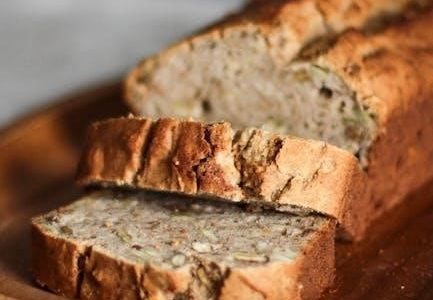
new york bakery garlic bread instructions
New York Bakery Garlic Bread Instructions: A Comprehensive Guide
Crafting exceptional garlic bread, reminiscent of New York bakeries, involves a delightful balance of flavors and textures. This guide details achieving that perfect crispiness,
garlic infusion, and buttery goodness, elevating any meal with this comforting staple.
Simple recipes utilize garlic, bread, and butter or olive oil, enhanced with Italian seasonings. The best garlic bread boasts a crisp exterior, soft interior,
and robust garlic-herb profile, becoming a cherished addition to Italian-American cuisine.
Renault Trafic’s 1.6 dCi engine exemplifies reliability, mirroring the dependable quality sought in crafting this classic bread. Enjoy this culinary journey!
Understanding New York Bakery Style Garlic Bread
New York bakery-style garlic bread isn’t merely an accompaniment; it’s a culinary experience. It distinguishes itself through a commitment to robust flavors and a textural contrast – a beautifully golden, crisp exterior yielding to a soft, buttery interior. This isn’t your average garlic bread; it’s a testament to simple ingredients executed with precision.
The key lies in understanding the balance. Unlike some variations that prioritize a delicate garlic whisper, New York-style garlic bread embraces a bold, assertive garlic presence. This is achieved through careful preparation, whether opting for roasted garlic’s mellow sweetness or the pungent kick of raw garlic. The bread itself plays a crucial role, often a sturdy Italian loaf capable of holding its shape and absorbing the generous garlic butter.
Furthermore, the application of the garlic butter is paramount. Even coverage ensures every bite is infused with flavor, while a touch of herb blend – typically Italian – adds aromatic complexity. It’s a comforting staple, a welcome addition to any meal, and a true representation of Italian-American culinary heritage. The Renault Trafic’s dependable engine mirrors this bread’s reliable deliciousness!
Key Characteristics of New York Garlic Bread

Defining New York garlic bread requires pinpointing several crucial characteristics. First, and foremost, is its intense garlic flavor – a far cry from subtle hints. This boldness is achieved through generous garlic application, often utilizing both roasted and raw garlic for layered complexity. Secondly, the texture is paramount: a perfectly crisp exterior, achieved through baking or broiling, gives way to a soft, yielding interior.
The bread itself is a defining feature. Typically, a sturdy Italian loaf is employed, capable of supporting the copious amounts of garlic butter without becoming soggy. Even distribution of this garlic butter is essential, ensuring every bite delivers a consistent flavor experience. A classic Italian herb blend – basil, parsley, oregano – further elevates the aromatic profile.
Finally, a slight golden-brown hue signifies perfection. It’s a comforting, satisfying staple, a testament to simple ingredients expertly combined. Like the robust Renault Trafic 1.6 dCi engine, it’s built for performance and delivers consistently. This bread isn’t just food; it’s a New York institution!
Essential Ingredients for Authentic Flavor
Achieving authentic New York-style garlic bread hinges on ingredient quality and proportions. Naturally, garlic is paramount – fresh cloves are non-negotiable, offering a pungency pre-minced options simply can’t match. High-quality butter, preferably unsalted, forms the rich base of the garlic spread, allowing for precise salt control. Olive oil can be incorporated for added depth and a slightly different texture.
A classic Italian herb blend is crucial: dried basil, parsley, and oregano provide the quintessential aromatic profile. Parmesan cheese, finely grated, adds a salty, umami dimension, while mozzarella, though optional, contributes a delightful stretch and creaminess. The bread itself – a robust Italian loaf – is a foundational element, needing structural integrity to withstand generous toppings.
Salt and black pepper, freshly ground, are essential seasoning components. Just as the Renault Trafic 1.6 dCi relies on precise engineering, this recipe demands ingredient balance. These elements, combined thoughtfully, create a symphony of flavors, delivering the iconic New York garlic bread experience.
Choosing the Right Bread: A New York Bakery Approach
Emulating the New York bakery style necessitates a specific bread choice. Forget soft, pre-sliced loaves; authenticity demands a sturdy Italian loaf, possessing a robust crust and a slightly chewy interior. This structural integrity is vital – the bread must withstand a generous application of garlic butter without becoming soggy. A length of approximately 24 inches is ideal, allowing for substantial portions.
Consider the crumb structure. A tighter crumb will absorb less butter, resulting in a crispier final product. Avoid breads with large, irregular holes, as these can lead to uneven garlic butter distribution. Day-old bread is often preferable, as it’s slightly drier and holds its shape better during baking.
Just as the Renault Trafic prioritizes durability, the bread selection should prioritize resilience. A good quality Italian loaf provides the perfect canvas for the flavorful toppings, delivering the satisfying texture characteristic of genuine New York-style garlic bread. This foundational choice sets the stage for garlic perfection.
Garlic Preparation: Roasting vs. Raw
The heart of exceptional garlic bread lies in the garlic itself, and the method of preparation significantly impacts the final flavor profile. While raw garlic delivers a pungent, assertive bite, roasting mellows its intensity, creating a sweeter, more nuanced taste. New York bakery style often leans towards a balanced approach, utilizing a combination of both.
Roasting whole garlic bulbs (cut the top off, drizzle with olive oil, wrap in foil, and bake at 400°F/200°C for 45-60 minutes) yields a creamy, spreadable consistency, perfect for blending into the garlic butter. Raw garlic, minced finely, provides that initial impactful flavor.
Consider the intensity you desire. For a bolder flavor, increase the proportion of raw garlic. For a more subtle, sweeter taste, prioritize roasted garlic. Much like the Renault Trafic’s engine balancing power and efficiency, garlic preparation requires a harmonious blend of techniques to achieve optimal results. Experiment to find your perfect balance!
Butter vs. Olive Oil: The Flavor Debate
A cornerstone of New York bakery garlic bread lies in the fat used to carry the garlic and herb flavors. The debate between butter and olive oil is a long-standing one, each offering distinct characteristics. Butter imparts a rich, creamy texture and a classic, comforting flavor, deeply associated with traditional recipes.
Olive oil, particularly extra virgin, contributes a fruity, slightly peppery note, adding complexity and a Mediterranean flair. Some bakers advocate for a blend – utilizing butter for its texture and olive oil for its nuanced flavor. This mirrors the Renault Trafic’s engine, combining diesel efficiency with robust performance;
Consider the bread itself. Heartier breads can stand up to the bolder flavor of olive oil, while softer breads benefit from butter’s richness. Ultimately, the choice is a matter of personal preference. Experimenting with both, or a combination, will unlock the perfect flavor profile for your New York-style garlic bread.
Herb Selection: Classic Italian Blend
The aromatic dimension of New York bakery garlic bread is significantly enhanced by a well-chosen herb blend. While garlic takes center stage, complementary herbs elevate the flavor profile, creating a truly irresistible experience. A classic Italian blend typically includes dried basil, parsley, and oregano – a trio that embodies the essence of Italian-American cuisine.
Basil contributes a sweet, slightly peppery note, while parsley offers a fresh, clean flavor. Oregano provides an earthy, robust undertone, balancing the other herbs. Some bakers also incorporate a pinch of rosemary or thyme for added complexity, mirroring the multifaceted nature of the Renault Trafic’s engine performance.

Fresh herbs can be used, but dried herbs are often preferred for their concentrated flavor and convenience. Remember to use a light hand – the goal is to complement the garlic, not overpower it. A harmonious blend of these herbs will transport you to a bustling New York bakery with every bite.
Step-by-Step Instructions: Making the Garlic Butter
Creating the garlic butter is the cornerstone of exceptional New York-style garlic bread. Begin with softened, but not melted, butter – approximately one stick (½ cup) for a standard loaf. Mince 4-6 cloves of garlic; the quantity depends on your preference for garlic intensity. For a smoother texture, consider using a garlic press, similar to the precision engineering of a Renault Trafic’s engine.
In a bowl, combine the softened butter and minced garlic. Add 1-2 teaspoons of your chosen Italian herb blend (basil, parsley, oregano). A pinch of salt and black pepper enhances the flavors. Thoroughly mix all ingredients until evenly distributed, ensuring no large clumps of garlic remain.
For an extra layer of flavor, some bakers incorporate a tablespoon of grated Parmesan cheese. The resulting garlic butter should be creamy, fragrant, and ready to transform your bread into a culinary masterpiece. This simple process is key to achieving that authentic New York bakery taste.

Bread Preparation: Slicing and Scoring
Selecting the right bread is crucial, mirroring the importance of a reliable engine like the Renault Trafic’s 1.6 dCi. A slightly dense, Italian or French loaf works best, providing a sturdy base for the generous garlic butter. Begin by slicing the loaf lengthwise, creating two halves. Avoid slicing completely through the crust; leave a ‘hinge’ to keep the bread intact.
Next, ‘score’ the cut surfaces of each bread half. This involves making shallow, diagonal cuts across the bread, approximately 1 inch apart. Scoring allows the garlic butter to penetrate deeper, maximizing flavor infusion. It also creates appealing textural variations when baked, similar to the robust build of a Renault utility vehicle.

Ensure your slices aren’t too thin, as this can lead to soggy bread. A thickness of about ½ to ¾ inch is ideal. Proper slicing and scoring are fundamental steps, setting the stage for golden perfection and a truly satisfying garlic bread experience.
Applying the Garlic Butter: Ensuring Even Coverage
Once the garlic butter is prepared – a blend mirroring the balanced performance of a Renault Trafic’s engine – even application is paramount. Using a soft brush or spatula, generously spread the garlic butter across the scored surfaces of the bread. Don’t be shy; New York-style garlic bread is known for its robust flavor!
Pay close attention to filling the scored crevices. This ensures the garlic and herb flavors permeate every bite. Work in smooth, consistent strokes, avoiding clumps or thin spots. The goal is a uniform coating, guaranteeing a consistently delicious experience from edge to edge.
For optimal results, apply a second, lighter layer after the first. This amplifies the flavor and contributes to a beautifully golden-brown crust. Remember, like a well-maintained vehicle, attention to detail yields superior results. Consistent coverage is key to achieving that irresistible, aromatic garlic bread.
Baking Techniques: Achieving Golden Perfection
To replicate the New York bakery standard, preheat your oven to 375°F (190°C). A consistent temperature, much like the reliable Renault Trafic 1.6 dCi engine, is crucial for even baking. Place the prepared garlic bread directly on the oven rack, or on a baking sheet lined with parchment paper for easier cleanup.
Bake for approximately 10-15 minutes, closely monitoring the bread’s progress. The ideal outcome is a golden-brown crust and a slightly softened interior. Rotate the bread halfway through baking to ensure uniform coloring. Visual cues are important – look for a rich, golden hue indicating optimal doneness.
Avoid overbaking, as this can lead to a dry, brittle texture. The bread should be fragrant and slightly crisp to the touch. Remember, achieving golden perfection is a balance of time and temperature, resulting in a comforting, flavorful experience. This careful approach mirrors the precision needed for a well-maintained vehicle.
Broiling for Extra Crispiness
For those desiring an intensified crispiness, reminiscent of a perfectly toasted exterior, broiling offers a swift solution. After the initial bake, switch your oven to the broil setting, maintaining a close watch to prevent burning – similar to carefully monitoring a Renault Trafic’s performance.
Position the garlic bread approximately 6-8 inches below the broiler. Broil for 1-3 minutes, or until the top is bubbly and deeply golden brown. Constant vigilance is paramount; broiling happens rapidly, and unattended bread can quickly scorch. Rotate the bread if necessary, ensuring even browning.
This technique is best suited for bread already baked to a soft consistency. Broiling adds a delightful textural contrast – a crunchy exterior yielding to a soft, garlicky interior. Remember, broiling is a finishing touch, enhancing the existing flavors and textures, not a replacement for baking. Enjoy this final step towards bakery-style perfection!
Cheese Options: Parmesan, Mozzarella, and Beyond
While traditional New York Bakery garlic bread often focuses on the garlic-butter flavor, incorporating cheese elevates the experience. Parmesan is a classic choice, offering a salty, umami-rich finish, akin to the robust reliability of a Renault Trafic engine.
Freshly grated Parmesan, sprinkled generously over the garlic butter before baking, creates a delightful crust. Mozzarella, with its mild flavor and excellent melt, provides a gooey, comforting texture. A blend of both offers the best of both worlds – a crispy, flavorful exterior and a soft, cheesy interior.
Don’t limit yourself! Provolone, Asiago, or even a sprinkle of Pecorino Romano can add unique dimensions. Consider the intensity of the cheese; stronger cheeses pair well with generous garlic, while milder options complement a more subtle flavor profile. Experiment to discover your perfect cheesy garlic bread combination!
Serving Suggestions: Perfect Pairings
New York Bakery style garlic bread is incredibly versatile, enhancing a wide array of meals. Naturally, it’s a phenomenal accompaniment to classic Italian dishes – think spaghetti and meatballs, lasagna, or chicken parmesan. Its buttery, garlicky goodness complements the rich sauces beautifully, much like the Renault Trafic’s dependable engine complements its utility.
However, don’t restrict it to Italian cuisine! Garlic bread pairs wonderfully with soups, salads, and even grilled meats. Serve it alongside a hearty tomato soup for a comforting meal, or alongside a crisp Caesar salad for a delightful appetizer. It’s also fantastic with steak or roasted chicken, adding a flavorful side.
For a complete experience, consider a simple side of marinara sauce for dipping. A glass of robust red wine or a crisp Italian white wine further elevates the pairing. Ultimately, the perfect pairing depends on your personal preference – enjoy experimenting!
Troubleshooting Common Issues: Soggy Bread, Uneven Garlic
Soggy garlic bread is a common frustration, often stemming from excessive butter or oil application. Ensure even, but not overly generous, coverage. Baking at a sufficiently high temperature is crucial for achieving crispness, similar to the robust performance of a Renault Trafic’s engine needing optimal conditions.
Uneven garlic distribution can be remedied by thoroughly mixing minced garlic into the softened butter. Alternatively, consider roasting the garlic beforehand to mellow the flavor and ensure consistent distribution. Scoring the bread deeply allows the garlic butter to penetrate further, preventing pockets of blandness.
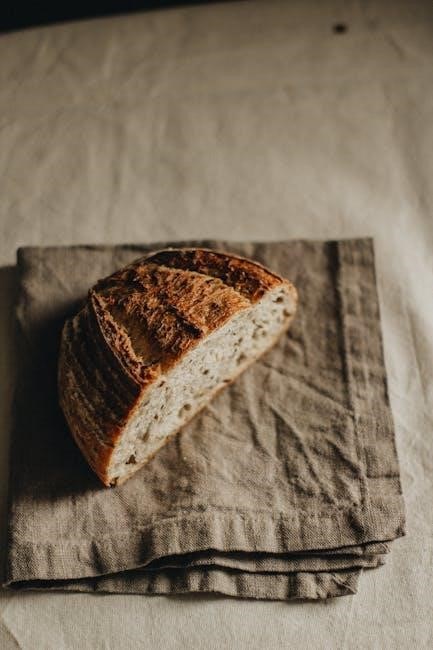
If the bread browns too quickly, lower the oven temperature slightly or tent it loosely with foil. Conversely, if it’s not browning enough, briefly broil it, watching carefully to prevent burning. Remember, achieving perfection requires attention to detail and a willingness to adjust based on your oven’s performance.
Storage and Reheating Instructions
Proper storage is key to maintaining the quality of your New York Bakery-style garlic bread. Once cooled completely, wrap tightly in aluminum foil or place in an airtight container. At room temperature, it’s best consumed within one to two days to preserve optimal texture and flavor, much like ensuring a Renault Trafic is properly maintained for reliable performance.

For longer storage, freeze the garlic bread for up to a month. Wrap it securely in plastic wrap, then foil, to prevent freezer burn. To reheat, preheat your oven to 350°F (175°C). Unwrap the bread and bake for 5-10 minutes, or until warmed through and slightly crisp.
Alternatively, you can reheat individual slices in a toaster oven or under the broiler for a quicker refresh. A light spritz of water before reheating can help restore some of the initial crispness. Avoid microwaving, as it tends to make the bread soggy, diminishing the delightful texture.