
suzuki violin book 3 pdf
Suzuki Violin Book 3 PDF: A Comprehensive Guide
Suzuki Violin Book 3 offers a pathway to advanced techniques, featuring pieces by Martini, Bach, and Dvorak, readily available as a PDF for convenient study.
What is the Suzuki Violin School?
The Suzuki Violin School, founded by Shinichi Suzuki, champions the belief that musical ability is innate in all children. This method emphasizes learning by ear, similar to language acquisition, fostering a nurturing environment. Suzuki Violin Book 3 is a core component, building upon earlier volumes with increasingly complex repertoire.
The approach prioritizes repetition, positive reinforcement, and parental involvement. Accessing Suzuki Violin Book 3 as a PDF allows students convenient practice and study, supporting the method’s core principles of consistent engagement and musical development.
The Importance of Volume 3
Volume 3 marks a significant step in the Suzuki Violin School curriculum, bridging the gap between early and intermediate playing. Students encounter more challenging pieces like Martini’s Gavotte and Bach’s Gavotte in G Minor, demanding refined technique. A Suzuki Violin Book 3 PDF facilitates focused practice.
Mastering this volume builds crucial skills – shifting, advanced bowing – essential for future repertoire. The PDF format offers portability and accessibility, supporting diligent study and consistent progress through these pivotal musical challenges.
Content Overview of Suzuki Violin Book 3
Suzuki Violin Book 3, often accessed as a PDF, presents a carefully sequenced collection of pieces designed to develop musicality and technical proficiency. The content includes works by composers like Martini, Bach, and Dvorak, progressively increasing in difficulty.
A PDF version allows students to easily view the violin part and accompanying materials. This volume focuses on solidifying fundamental techniques while introducing new challenges, preparing students for more complex repertoire and advanced violin studies.
Pieces Included in Volume 3
Suzuki Violin Book 3, frequently found as a PDF download, features a selection of classic pieces. Key compositions include Martini’s Gavotte, a foundational work for developing grace and precision. Bach’s Gavotte in G Minor introduces Baroque style, while Dvorak’s Humoresque offers a lyrical and expressive challenge.
These pieces, readily available in PDF format, are chosen to build technique and musical understanding, providing a solid foundation for further violin study and performance.
Technical Skills Developed in Volume 3
Accessing Suzuki Violin Book 3 as a PDF allows focused practice on crucial skills. Volume 3 emphasizes shifting exercises, expanding the violinist’s range and dexterity. Advanced bowing techniques, like spiccato and legato, are refined through the repertoire.

Students develop intonation, tone quality, and musical expression, preparing them for more complex compositions. The PDF format supports detailed study and repetition of challenging passages, fostering technical mastery.
Finding a Suzuki Violin Book 3 PDF Online
Locating a Suzuki Violin Book 3 PDF requires careful navigation. Several websites offer downloads, including Alfred.com and Internet Archive. However, caution is advised when using unofficial sources due to potential copyright issues and file integrity concerns.
Prioritize legitimate platforms to ensure a safe and legal download. Always verify the source before accessing any PDF to protect your device and respect intellectual property rights. Consider purchasing the digital version for reliable access.
Legitimate Sources for PDF Downloads
Alfred Music Publishing stands as a primary, trustworthy source for the Suzuki Violin Book 3 PDF. Direct downloads are often available through their official website, ensuring a legally obtained and high-quality file.
Additionally, some authorized digital sheet music platforms may offer the book in PDF format. Exploring these options guarantees compliance with copyright regulations and provides a secure download experience. Avoid unofficial websites to prevent malware or incomplete files.

Potential Risks of Unofficial Downloads
Downloading the Suzuki Violin Book 3 PDF from unverified sources carries significant risks. These sites often host malware, viruses, or incomplete files that can compromise your device and data security.
Furthermore, obtaining the book illegally violates copyright law, potentially leading to legal repercussions. Unofficial PDFs may also lack crucial components like piano accompaniment or accurate notation. Prioritize legitimate sources like Alfred Music to ensure a safe and legal learning experience.
Understanding the Components of the Book
The Suzuki Violin Book 3, whether in physical or PDF format, comprises several key elements. The Violin Part contains the student’s music, while the Piano Accompaniment provides support for practice and performance.
Essential CD Recordings, often included or available separately, demonstrate proper phrasing and intonation. Accessing a complete PDF ensures all these components are readily available, facilitating a comprehensive learning experience aligned with the Suzuki method.
Violin Part
The Violin Part within the Suzuki Violin Book 3, available as a PDF, presents the core musical scores for the student. It features pieces like Martini’s Gavotte and Bach’s Gavotte in G Minor, demanding increasing technical proficiency.
A clear PDF version ensures legible notation for accurate reading and practice. Students utilize this section to develop bowing, shifting, and intonation skills, guided by fingerings and markings within the score itself.
Piano Accompaniment
The Piano Accompaniment for Suzuki Violin Book 3, often found alongside the PDF of the violin part, is crucial for developing musicality and timing. It provides harmonic support and rhythmic stability for the violinist.
A separate PDF allows pianists to easily follow along, offering a complete musical experience. This accompaniment isn’t merely supportive; it actively shapes the student’s interpretation and fosters ensemble skills, enhancing the learning process.
CD Recordings
CD Recordings are an integral part of the Suzuki Violin Book 3 experience, often accompanying the PDF version. These recordings, featuring performances by skilled musicians, provide students with accurate models for intonation, phrasing, and musical expression.
Listening to the CD allows students to internalize the pieces before attempting to play them, aiding in memorization and developing a strong musical foundation. Accessing these recordings alongside the PDF enhances learning.
Using the Suzuki Violin Book 3 Effectively
To maximize learning with the Suzuki Violin Book 3 PDF, consistent practice and guidance from a qualified teacher are crucial. The PDF serves as a convenient resource, but a teacher provides personalized feedback and corrects technique.
Regularly listening to the accompanying CD recordings, available alongside the PDF, is vital for developing a strong musical ear. Combining the PDF with these resources fosters a well-rounded learning experience.
Importance of a Qualified Teacher
While the Suzuki Violin Book 3 PDF provides materials, a qualified teacher is indispensable. They offer nuanced instruction beyond the PDF’s scope, correcting posture, bow hold, and intonation. A teacher tailors practice to individual needs, ensuring proper technique development.

They interpret the Suzuki method’s philosophy, guiding students through challenging passages within the PDF. A teacher’s ear identifies subtleties a student might miss, maximizing the PDF’s potential.
Practice Techniques for Volume 3 Pieces
Utilizing the Suzuki Violin Book 3 PDF effectively requires focused practice. Slow, deliberate repetition builds accuracy before increasing tempo. Isolate difficult sections, looping them until mastered. Employ rhythmic variations – dotted rhythms, triplets – to enhance musicality.
Record yourself playing from the PDF, critically listening for intonation and tone. Practice scales and arpeggios related to each piece, reinforcing technique. Consistent, short sessions are more productive than infrequent, lengthy ones.
Common Challenges in Volume 3 and How to Overcome Them
Students using the Suzuki Violin Book 3 PDF often encounter shifting challenges. Practice slow, controlled shifts, focusing on smooth transitions. Advanced bowing techniques, like spiccato and détaché, demand consistent effort and a relaxed wrist.
Intonation can be tricky; utilize a tuner and listen intently. Regularly review previously learned material from the PDF to reinforce fundamentals; A qualified teacher is invaluable for personalized guidance and correcting technique.
Shifting Exercises
The Suzuki Violin Book 3 PDF introduces more complex shifting. Begin with exercises focusing on shifting between first and third positions, maintaining consistent hand frame and intonation. Utilize scales and arpeggios, slowly increasing tempo.
Practice shifting on open strings to build muscle memory. Incorporate pieces from the PDF, isolating challenging shifts for focused practice. A mirror can help monitor posture and hand position, ensuring accuracy and fluidity during shifts.
Advanced Bowing Techniques
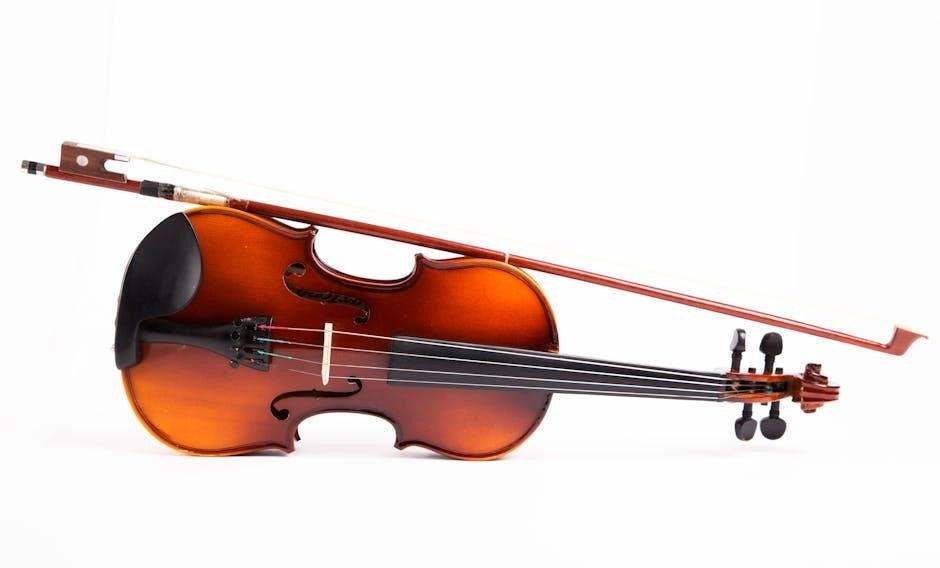
The Suzuki Violin Book 3 PDF demands refined bowing skills. Students encounter more legato phrasing and nuanced dynamics. Focus on developing a consistent tone across the bow, practicing détaché and martelé strokes.
Exercises within the PDF emphasize smooth bow changes and controlled vibrato. Pay attention to bow speed and pressure for varied sound production. Regularly review bowing exercises to maintain technique while tackling repertoire, ensuring musicality and precision.
Suzuki Violin Book 3: Repertoire Details
The Suzuki Violin Book 3 PDF showcases a diverse repertoire. Martini’s Gavotte introduces elegance, while Bach’s Gavotte in G Minor challenges technical proficiency. Dvorak’s Humoresque adds expressive depth.
These pieces, accessible within the PDF, build upon previous skills. Students refine intonation, phrasing, and musical interpretation. The Suzuki method emphasizes learning by ear, alongside score reading, fostering a holistic musical understanding through these carefully selected works.
Gavotte by Martini
Within the Suzuki Violin Book 3 PDF, Martini’s Gavotte serves as a graceful introduction to Baroque style. This piece, readily available in the digital format, focuses on clear articulation and elegant phrasing.
Students utilizing the PDF will develop bow control and a refined tone. The Gavotte’s structure aids in understanding musical form. It’s a foundational piece for building confidence and musicality, preparing students for more complex repertoire found throughout the Suzuki series.
Bach’s Gavotte in G Minor
The Suzuki Violin Book 3 PDF includes Bach’s Gavotte in G Minor, a cornerstone of violin literature. This piece, easily accessed in digital format, presents challenges in intonation and rhythmic precision.
Students working with the PDF will refine their left-hand technique and develop a deeper understanding of Baroque ornamentation. Mastering this Gavotte builds a strong foundation for tackling more demanding Bach compositions, enhancing both technical skill and musical interpretation within the Suzuki method.
Humoresque by Dvorak

Suzuki Violin Book 3’s PDF version features Dvorak’s beloved Humoresque, a piece celebrated for its lyrical melody and expressive character. Accessing the sheet music as a PDF allows for easy annotation and practice.
This selection challenges students to develop vibrato control and nuanced phrasing. The Suzuki approach emphasizes learning by ear alongside the score, fostering musicality. Successfully navigating the Humoresque within the PDF format builds confidence and artistic expression.
Comparing Different Editions of the Book
Suzuki Violin Book 3 exists in original and revised editions, both often found as a PDF. The revised edition incorporates updated fingerings and bowings, aiming for improved pedagogical clarity. When downloading a PDF, verify which edition you’re obtaining.

While the core repertoire remains consistent, subtle differences can impact learning. Some teachers prefer the original for its traditional approach, while others favor the revised edition’s modernizations. Ensure your PDF aligns with your instructor’s preference for optimal results.
Original Edition vs. Revised Edition
The Suzuki Violin Book 3 PDF presents choices: the original and revised editions. The original, a classic, maintains traditional fingerings. The revised edition, however, offers updated bowings and fingerings, aiming for greater ease and efficiency for students.
When sourcing a PDF, note the edition. Revised versions often include clearer phrasing marks and pedagogical suggestions. Teachers may have a preference; aligning your PDF with their guidance ensures consistent instruction. Both editions contain the same core musical pieces, but approach them differently.
Where to Purchase the Physical Book
While a Suzuki Violin Book 3 PDF is convenient, many prefer the physical copy. Alfred Music Publishing is the primary source, offering the violin part and piano accompaniment separately. You can find them directly on their website or through major online retailers like Amazon.
Don’t overlook local music stores! They often stock Suzuki materials and provide expert advice. Supporting these businesses benefits your musical community. Checking local inventory can save shipping costs and allow immediate access to the book.
Alfred Music Publishing
Alfred Music Publishing stands as the official distributor for the Suzuki Violin School, including Book 3. Their website provides both the violin part and the essential piano accompaniment. Purchasing directly ensures you receive an authentic edition, supporting the continuation of the Suzuki method.
They frequently offer digital downloads alongside physical copies, providing flexibility. Explore their catalog for accompanying CD recordings featuring performances by Hilary Hahn and William Preucil, enhancing your learning experience.
Local Music Stores
Local music stores often stock the Suzuki Violin Book 3, offering a tangible alternative to PDF downloads. Visiting a store allows you to physically examine the book and potentially browse accompanying materials like sheet music for additional repertoire.
Furthermore, knowledgeable staff can provide personalized recommendations and advice. Supporting local businesses fosters a vibrant musical community, and you might even find used copies at a reduced price, making it an economical option.
Alternatives to the PDF Format
While a Suzuki Violin Book 3 PDF is convenient, several alternatives exist. Digital sheet music platforms like Musicnotes or Sheet Music Plus offer individual pieces or the complete book in interactive formats, often with playback features;
Consider purchasing the physical book for a traditional learning experience. Accessing MP3 recordings directly from Alfred.com or through streaming services like iTunes provides audio support beyond a static PDF.
Digital Sheet Music Platforms
Digital sheet music platforms present a dynamic alternative to a static Suzuki Violin Book 3 PDF. Sites like Musicnotes and Sheet Music Plus offer legally sourced, downloadable scores. These platforms often feature interactive elements, adjustable tempo controls, and the ability to transpose pieces.
Furthermore, many integrate with music streaming services, allowing simultaneous listening and viewing of the score. This provides a comprehensive learning experience beyond the limitations of a simple PDF document.
Copyright and Legal Considerations
Downloading a Suzuki Violin Book 3 PDF requires careful attention to copyright law. Unauthorized distribution of copyrighted material is illegal. “Fair Use” allows limited use for educational purposes, but widespread sharing violates these protections.

Always obtain PDF versions from legitimate sources like Alfred Music or authorized retailers. Respecting copyright ensures composers, publishers, and performers are fairly compensated for their work, supporting continued musical creation.
Fair Use and Copyright Law
Suzuki Violin Book 3 PDF usage is governed by copyright law and “Fair Use” doctrine. Limited excerpts can be used for study, practice, or teaching, but full distribution is prohibited.
Downloading from unofficial sources often violates copyright, potentially leading to legal consequences. Respecting intellectual property rights supports musicians and publishers. Purchasing the official PDF or physical book ensures legal and ethical access to the material.
Troubleshooting PDF Download Issues
Suzuki Violin Book 3 PDF downloads can sometimes encounter errors. Common issues include corrupted files, slow internet connections, or browser incompatibility. Clearing your browser’s cache and cookies often resolves these problems.

Ensure your PDF reader is up-to-date. If the download fails repeatedly, try a different browser or download manager. Verify the source is legitimate to avoid malware or incomplete files. Contact the seller if issues persist.
Common Error Messages
When attempting a Suzuki Violin Book 3 PDF download, several error messages may appear. “File Not Found” indicates a broken link or removed file. “Connection Timed Out” suggests internet instability. “Corrupted File” means the download was incomplete.
“Invalid File Format” points to a problem with the PDF itself. “Access Denied” implies permission issues. Retrying the download, checking the URL, or contacting support can often resolve these frustrating messages.

Resources for Suzuki Violin Students
For Suzuki Violin Book 3 PDF users, online forums and communities offer invaluable support. Websites like Alfred.com provide supplemental materials and recordings. Many teachers maintain resource lists, including practice tips and fingering charts.
Dedicated Facebook groups connect students globally, fostering collaboration and problem-solving. Exploring these resources enhances learning and provides access to a wealth of shared knowledge related to the Suzuki method.
Online Forums and Communities
Numerous online platforms support students navigating Suzuki Violin Book 3 PDF materials. Facebook groups dedicated to the Suzuki method are vibrant hubs for questions, advice, and shared experiences. Dedicated forums allow detailed discussions on specific pieces and techniques.
These communities offer a space to connect with peers, seek guidance from experienced players, and find encouragement throughout the learning process, supplementing PDF study.
The Role of the Piano Accompanist
The piano accompanist is integral to successfully navigating Suzuki Violin Book 3, even when utilizing a PDF version of the score. They provide rhythmic stability, harmonic support, and crucial interpretive cues. A skilled accompanist understands the nuances of each piece, enhancing the violinist’s performance.
Effective collaboration ensures accurate tempo and dynamics, fostering musical growth beyond simply reading the PDF notation.
Importance of Collaboration
When working with a Suzuki Violin Book 3 PDF, collaboration between student, teacher, and accompanist is paramount. The accompanist isn’t merely playing notes; they’re actively listening and responding to the violinist’s interpretation.
This synergy elevates the musical experience, ensuring a cohesive and expressive performance. Shared musical understanding, even when referencing a digital PDF, fosters growth and artistic development for all involved.
Future Progression After Volume 3
Successfully navigating the Suzuki Violin Book 3 PDF prepares students for the challenges of Book 4 and beyond. This next stage introduces increasingly complex repertoire and advanced techniques.
Continued study builds upon the foundation established in earlier volumes, fostering musical independence and artistry. Accessing resources, even digitally via PDF, supports a seamless transition and sustained progress in the Suzuki method.
Suzuki Violin Book 4 and Beyond
Building on the skills honed with the Suzuki Violin Book 3 PDF, students progress to Book 4, encountering demanding concertos and sonatas. This volume emphasizes stylistic nuance and refined technique.
Beyond Book 4, the Suzuki method offers further volumes, leading to advanced repertoire. Continued dedication, supported by consistent practice and quality instruction, unlocks a lifetime of musical fulfillment, even starting with a convenient PDF resource.