
guiding ariadne
The Myth of Ariadne: A Guide Through Life’s Labyrinths
Ariadne’s story‚ rooted in cunning intelligence‚ offers a powerful metaphor for navigating life’s complexities. Her gift of the red thread symbolizes finding patterns
and underlying currents‚ assisting in journeys through personal labyrinths and challenges.
Origins of the Ariadne Myth
Ariadne’s origins are deeply embedded within the complex tapestry of Minoan and Greek mythology‚ stemming from the island of Crete and the reign of King Minos. She is typically depicted as the daughter of Minos and Pasiphae‚ a lineage already steeped in extraordinary tales – notably‚ Pasiphae’s unnatural union with a bull‚ resulting in the birth of the Minotaur. This familial context immediately positions Ariadne within a world of monstrous challenges and divine intervention.
The earliest accounts of Ariadne appear fragmented‚ evolving over centuries through oral traditions and poetic retellings. Hesiod‚ in his Theogony‚ offers a relatively brief mention‚ while later poets like Catullus and Ovid significantly expanded upon her story‚ particularly her relationship with Theseus. These evolving narratives highlight Ariadne not merely as a princess‚ but as a figure possessing agency and intelligence‚ crucial elements in her pivotal role within the myth. The core of her story‚ however‚ consistently revolves around the infamous Labyrinth and the monstrous Minotaur it contained‚ setting the stage for her defining act of assistance.
Her name itself‚ potentially derived from the Cretan word “ariadne” meaning “most holy‚” suggests a pre-existing reverence for the character even before the fully formed myth took shape. This hints at a possible connection to earlier Minoan goddesses or figures of power‚ further enriching the layers of her symbolic significance.

The Labyrinth and the Minotaur
The Labyrinth‚ a marvel of engineering crafted by the ingenious Daedalus‚ stands as a potent symbol of confusion‚ entrapment‚ and the hidden dangers within. Commissioned by King Minos to contain the monstrous Minotaur – a creature born from Pasiphae’s unnatural union – it was a deliberately complex structure designed to be inescapable. Its winding passages and deceptive turns represented the chaotic and unpredictable nature of life’s challenges‚ a physical manifestation of inner turmoil.
The Minotaur itself‚ half-man and half-bull‚ embodied primal instincts and unchecked aggression. It demanded a horrific tribute: seven Athenian youths and seven maidens‚ sacrificed annually to appease Minos and ensure his kingdom’s dominance. This brutal ritual underscored the desperation and fear that gripped Athens‚ creating a climate ripe for a hero to emerge.
The Labyrinth wasn’t simply a prison; it was a test. A test of wit‚ courage‚ and resourcefulness. Theseus’s acceptance of the challenge to slay the Minotaur wasn’t merely an act of heroism‚ but a confrontation with the darkness within himself and within the societal structures of the time. The sheer impossibility of navigating the Labyrinth without assistance highlighted the necessity of guidance‚ setting the stage for Ariadne’s crucial intervention.

Ariadne’s Role: Helper and Betrayer
Ariadne‚ daughter of King Minos and Pasiphae‚ occupies a complex and often contradictory role within the myth. Initially presented as a compassionate helper‚ she falls deeply in love with Theseus and bravely chooses to aid him in his perilous quest to slay the Minotaur. Recognizing the impossibility of navigating the Labyrinth alone‚ she provides him with the crucial tool for success: the red thread‚ a lifeline through the maze.
Her act of assistance‚ however‚ is not without consequence. By betraying her father and her kingdom to help a foreign hero‚ Ariadne commits a significant transgression. This duality – helper and betrayer – is central to understanding her character. Was her love for Theseus a selfless act‚ or a reckless abandonment of duty?
Furthermore‚ Theseus’s subsequent abandonment of Ariadne on the island of Naxos adds another layer of complexity. While interpretations vary‚ it suggests a callous disregard for her sacrifice and a prioritization of his own glory. Ariadne’s fate underscores the precarious position of women in ancient Greek mythology‚ often subject to the whims of powerful men and the vagaries of fate.

The Red Thread as a Symbol
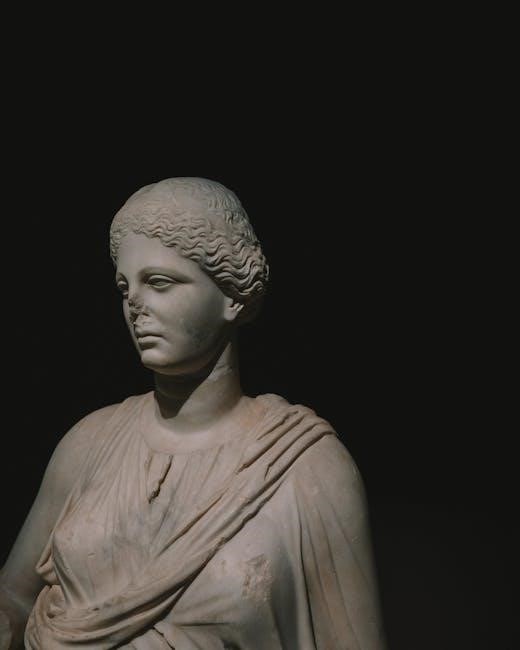
The red thread‚ gifted by Ariadne‚ transcends a simple navigational tool; it embodies a potent symbol of guidance‚ connection‚ and fate. It represents a lifeline through chaos and uncertainty.
The Thread as a Metaphor for Guidance
Ariadne’s thread functions as a compelling metaphor extending far beyond the immediate escape from the Cretan Labyrinth. It represents the internal resources and external connections that guide us through the intricate mazes of our own lives. This isn’t merely about finding a physical exit‚ but about discovering a path through emotional‚ psychological‚ and spiritual complexities.
The thread symbolizes recognizing and following the subtle cues – intuition‚ inner wisdom‚ supportive relationships – that lead us toward clarity and resolution. Just as Theseus relied on Ariadne’s gift‚ we too depend on identifying and holding onto those elements that offer direction when we feel lost or overwhelmed. It’s about acknowledging the patterns‚ the “underlying currents‚” as described in interpretations of the myth‚ that shape our experiences.
Furthermore‚ the thread suggests that guidance isn’t always a grand‚ sweeping revelation‚ but often a delicate‚ continuous line that requires careful attention and trust. It’s a reminder that even in the darkest of times‚ a pathway exists‚ and that seeking or accepting help isn’t a sign of weakness‚ but a demonstration of courage and self-awareness. The thread is a testament to the power of connection and the enduring human need for support.
Historical Interpretations of the Red Thread
Throughout history‚ the red thread of Ariadne has resonated with diverse interpretations‚ extending beyond its literal function within the myth. Ancient commentators often viewed the thread as representing logos – divine reason or principle – guiding humanity through the chaos of existence. This perspective positions Ariadne not merely as a helper to Theseus‚ but as an embodiment of a higher power offering salvation.
Medieval allegories frequently linked the thread to divine grace or faith‚ suggesting that spiritual guidance is essential for navigating the “labyrinth” of earthly life and avoiding moral pitfalls. Renaissance humanists‚ conversely‚ emphasized Ariadne’s intelligence and agency‚ interpreting the thread as a symbol of human reason and the power of strategic thinking.
More recently‚ some scholars have connected the red thread to ancient weaving traditions and the symbolic significance of red as a color representing life force and connection. The idea of a thread “weaving back to the very origins of creation‚” as some interpretations suggest‚ highlights its enduring power as a symbol of continuity and the interconnectedness of all things. These varied readings demonstrate the myth’s adaptability and continued relevance across cultures and eras.
The Red Thread in Art and Literature
The image of Ariadne’s red thread has profoundly impacted artistic and literary representations across centuries. From classical vase paintings depicting the labyrinth and Theseus’s journey‚ to Renaissance masterpieces portraying Ariadne abandoned on Naxos‚ the thread consistently symbolizes guidance‚ hope‚ and the precariousness of fate.
In literature‚ the myth has inspired countless reinterpretations. Authors often utilize the thread as a metaphor for navigating complex emotional landscapes or societal challenges. Romantic poets‚ for example‚ frequently employed the image to explore themes of love‚ loss‚ and the search for meaning.
Modern and contemporary works continue to draw upon the myth’s symbolism. The thread appears in novels‚ poems‚ and plays‚ often representing a lifeline in moments of crisis or a connection to one’s inner self. The enduring appeal of Ariadne’s thread lies in its ability to encapsulate the universal human experience of seeking direction and finding strength amidst uncertainty‚ a testament to its lasting cultural resonance.
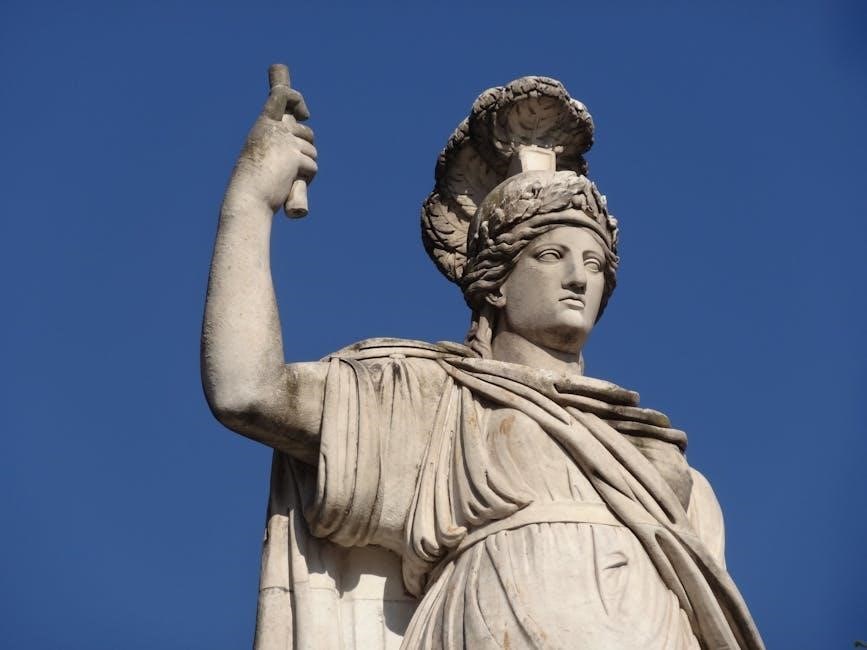
Ariadne’s Thread in Modern Psychology
Psychologically‚ the thread embodies self-discovery and navigating life’s intricate paths. It represents intuition‚ a personal guide through complexity‚ and the courage to unravel inner labyrinths for growth.
Finding Your Own Thread: Self-Discovery
The pursuit of one’s “own thread” in a psychological context signifies a deeply personal journey of self-discovery. It’s about identifying the unique patterns‚ values‚ and intuitions that guide us through the labyrinth of life‚ much like Ariadne aided Theseus; This isn’t a singular‚ easily defined element‚ but rather a constellation of internal cues – passions‚ interests‚ core beliefs – that‚ when followed‚ lead towards authenticity and fulfillment.
Often‚ this process involves confronting uncomfortable truths and challenging pre-conceived notions about oneself. It requires introspection‚ a willingness to explore the “lava core” of our being‚ as described in some interpretations‚ to understand the foundational elements that shape our identity. Recognizing this thread isn’t about finding a pre-determined destiny‚ but about actively creating a meaningful path.
Like Ariadne’s thread‚ this internal guide isn’t always visible or straightforward. It may appear as subtle nudges‚ recurring themes in our experiences‚ or a persistent sense of longing. Learning to trust these signals‚ to discern them from external pressures and societal expectations‚ is crucial for navigating life’s complexities with intention and purpose. Ultimately‚ finding your own thread is about embracing vulnerability and courageously charting your own course.
Navigating Complexity: The Thread as a Tool
Ariadne’s thread‚ beyond a symbol of guidance‚ functions as a practical tool for navigating complex situations. In a world often characterized by uncertainty and overwhelming choices‚ identifying and following one’s internal “thread” provides a sense of direction and clarity. It’s a method for simplifying the labyrinth‚ breaking down daunting challenges into manageable steps‚ and maintaining focus amidst distractions.
This tool isn’t about eliminating obstacles‚ but about approaching them with a strategic mindset. The thread represents a consistent principle or value that informs decision-making‚ allowing individuals to prioritize actions aligned with their core purpose. It’s a reminder to stay grounded in one’s authentic self‚ even when faced with external pressures or conflicting demands.
Furthermore‚ the thread fosters resilience. When setbacks occur – and they inevitably will – it serves as an anchor‚ reconnecting individuals to their underlying motivations and reinforcing their commitment to the journey. By consistently referencing this internal compass‚ one can adapt to changing circumstances‚ learn from failures‚ and continue moving forward with confidence‚ much like Theseus relied on Ariadne’s gift.
The Thread and Intuition
Ariadne’s red thread isn’t merely a rational guide; it’s deeply intertwined with intuition – that inner knowing that transcends logical thought. The thread represents a connection to a deeper source of wisdom‚ a subtle but persistent voice that guides us toward authentic choices. Recognizing and trusting this intuition is crucial for effectively utilizing the thread’s power.
The myth suggests that following the thread requires a willingness to surrender to the unknown‚ to move beyond the limitations of the conscious mind. It’s about paying attention to subtle cues – feelings‚ synchronicities‚ and recurring patterns – that point us in the right direction. This isn’t about blindly following impulses‚ but about cultivating a mindful awareness of our inner landscape.
Indeed‚ the thread can be seen as a visual representation of the ‘thread of fate’ – a concept suggesting a pre-ordained path. However‚ Ariadne’s act empowers Theseus to choose to follow it‚ highlighting the interplay between destiny and free will. Ultimately‚ the thread amplifies our intuitive capacity‚ enabling us to navigate life’s labyrinth with greater clarity and purpose‚ trusting the unseen forces guiding us forward.
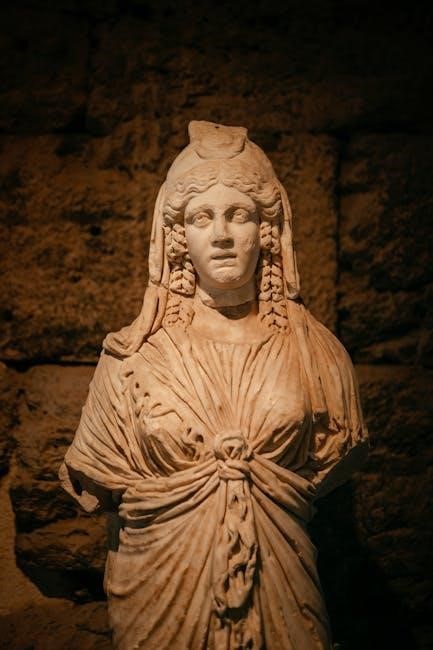
Contemporary Relevance: Ariadne in the 21st Century
Ariadne’s enduring story resonates today‚ offering guidance through modern labyrinths of identity and societal expectations. Her thread symbolizes self-discovery and resilience‚ empowering individuals to forge their own paths.
Ariadne and Identity Exploration
Ariadne’s myth provides a compelling framework for understanding the often-complex journey of identity exploration‚ particularly relevant in the 21st century. The labyrinth itself can be seen as a representation of the internal struggles and societal pressures individuals face when questioning and defining who they are.
The red thread‚ in this context‚ isn’t merely a tool for physical navigation‚ but a metaphor for the internal compass guiding one towards self-acceptance and authenticity. It represents the courage to unravel societal expectations and embrace one’s true self‚ even when faced with uncertainty or opposition. Just as Ariadne aided Theseus‚ individuals often seek support – friends‚ family‚ or therapists – to help them navigate their own internal labyrinths.

Furthermore‚ the story acknowledges the potential for missteps and betrayals along the way‚ mirroring the challenges of self-discovery. The thread isn’t always a straight path; it can twist and turn‚ leading to moments of confusion and doubt. However‚ the core message remains: the pursuit of self-understanding‚ guided by an internal ‘thread’ of authenticity‚ is a worthwhile endeavor‚ fostering empowerment and resilience.
The Red Thread and LGBTQ+ Experiences
Ariadne’s red thread resonates profoundly with LGBTQ+ experiences‚ symbolizing the often-arduous journey of self-discovery and acceptance within a heteronormative world. The labyrinth represents societal expectations and internalized prejudices that individuals must navigate to embrace their authentic identities.
For many in the LGBTQ+ community‚ finding their “thread” involves confronting societal norms‚ challenging family expectations‚ and overcoming feelings of shame or isolation. This thread represents the courage to live openly and honestly‚ even in the face of discrimination or rejection. The myth acknowledges that this path isn’t always easy‚ mirroring instances of transphobia and the challenges faced by those exploring their gender identity.
The story’s depiction of potential betrayal also reflects the pain of unsupportive environments. However‚ the enduring power of Ariadne’s gift lies in its promise of guidance and empowerment. The red thread symbolizes the importance of community‚ self-love‚ and the unwavering pursuit of authenticity‚ offering hope and resilience to those navigating their own unique labyrinths of identity.
Ariadne’s Legacy: Empowerment and Resilience
Ariadne’s enduring legacy extends far beyond the myth of the Minotaur‚ embodying themes of empowerment and resilience in the face of adversity. Despite her ultimate abandonment by Theseus‚ her initial act of providing the thread demonstrates agency and a willingness to defy expectations to aid another.
This act of selfless assistance highlights Ariadne’s inner strength and resourcefulness‚ qualities that resonate with individuals navigating their own personal challenges. Her story encourages us to embrace our capacity for compassion and to offer support to those who are lost or struggling. The thread itself becomes a symbol of proactive problem-solving and the power of human connection.
Ariadne’s resilience isn’t simply about overcoming betrayal; it’s about redefining her narrative and forging a new path. She represents the ability to transform pain into strength and to emerge from difficult experiences with renewed purpose. Her legacy inspires us to find our own inner thread and to navigate life’s labyrinths with courage‚ determination‚ and unwavering self-belief.

Misinterpretations and Modern Adaptations
Ariadne’s tale often faces misconstrued narratives‚ yet continues to evolve in popular culture. Modern adaptations explore her agency‚ moving beyond victimhood and highlighting her guiding intelligence.
Addressing Misconceptions about the Myth

Frequently‚ Ariadne is solely remembered as a passive figure‚ a helper defined by her relationship with Theseus‚ and subsequently abandoned. This diminishes her inherent intelligence and proactive role in offering the thread – a crucial act of strategic assistance. The myth isn’t simply about romantic betrayal; it’s about a princess utilizing her wit and resources to resolve an impossible situation.
Another common misinterpretation centers on the thread itself. It’s often viewed merely as a physical guide through the labyrinth‚ overlooking its symbolic weight. The thread represents a pattern‚ an underlying current of understanding‚ and a means of discerning order within chaos. It’s not just about finding the way out‚ but about understanding the path itself.
Furthermore‚ the focus on Theseus’s heroism overshadows Ariadne’s bravery. She risked her life and status by aiding a stranger against her father‚ King Minos. Her actions demonstrate a moral compass and a willingness to challenge authority for what she believed was right. Correcting these misconceptions allows for a more nuanced appreciation of Ariadne’s character and the enduring power of her story.
Ariadne in Popular Culture
Ariadne’s enduring myth continues to resonate‚ appearing in diverse modern media. Notably‚ the “red thread” motif frequently surfaces as a symbol of connection and fate‚ often divorced from its original context but retaining its core meaning of guidance. Contemporary narratives frequently employ the thread as a visual metaphor for uncovering hidden truths or navigating complex emotional landscapes.
Interestingly‚ the Family Guy episode “Emmy Winning Episode” utilizes a parody involving a character posing as transgender‚ sparking discussion about identity and societal perceptions. While controversial‚ this instance demonstrates the myth’s capacity to be reinterpreted through a modern lens‚ albeit a satirical one‚ touching upon themes of visibility and acceptance.
Beyond direct adaptations‚ Ariadne’s archetype – the resourceful helper‚ the abandoned lover – appears in countless stories. Characters embodying her traits often facilitate the protagonist’s journey‚ offering crucial assistance before facing their own challenges. This consistent reappearance solidifies Ariadne’s place as a foundational figure in storytelling‚ continually inspiring new interpretations and creative explorations.
The Evolution of Ariadne’s Story
Ariadne’s narrative has undergone significant transformations since its classical origins. Initially portrayed primarily as a facilitator of Theseus’s triumph‚ later interpretations began to emphasize her agency and the injustice of her abandonment on Naxos. This shift reflects evolving societal values‚ moving away from solely celebrating the hero’s journey towards acknowledging the experiences and perspectives of supporting characters.
The emphasis on the “red thread” itself has also evolved. While originally a practical tool for navigating the labyrinth‚ it’s increasingly understood as a potent symbol of interconnectedness‚ representing a fundamental thread weaving through creation and time. This interpretation‚ as suggested by “Earth Daughters‚” elevates the thread beyond a simple guide to a cosmic principle.
Modern retellings often explore Ariadne’s emotional aftermath – her betrayal‚ her resilience‚ and her eventual divine status as a constellation. These narratives seek to reclaim her voice and offer a more nuanced understanding of her character‚ moving beyond the traditional framing of her solely as a plot device within Theseus’s story.